banner
  • Heavy Duty Diesel Forklift: How to Choose the Right One for Your Operation
    Heavy Duty Diesel Forklift: How to Choose the Right One for Your Operation Aug 25, 2026
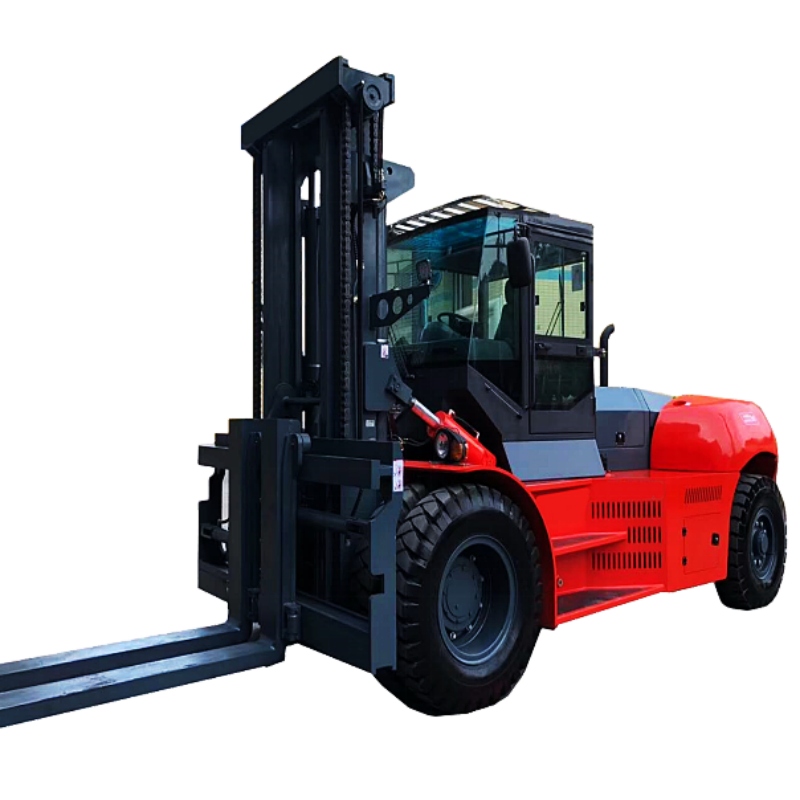
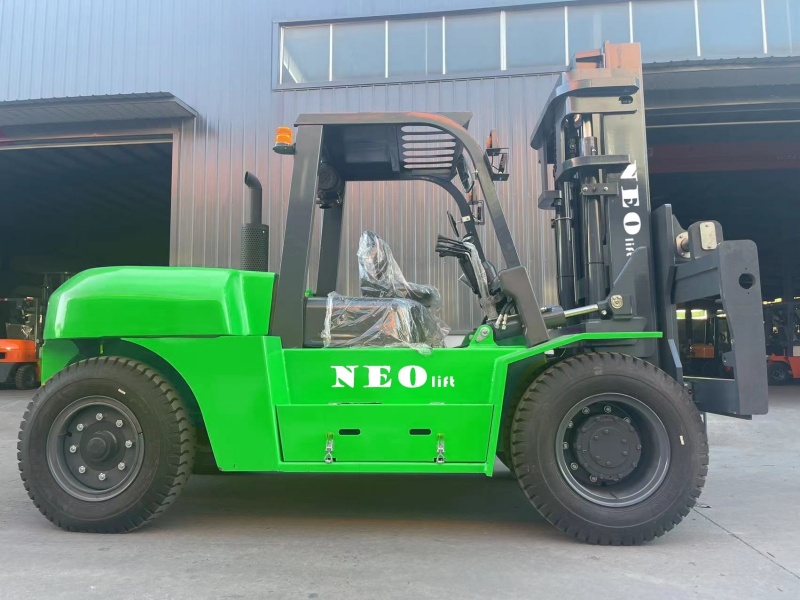
    Moving steel coils, concrete blocks, or shipping containers demands more than a standard forklift — it demands a heavy duty diesel forklift built to handle 10 to 50 tons day after day. With so many configurations on the market, choosing the wrong machine can mean downtime, safety risks, and wasted investment. This guide covers the key factors to evaluate before you buy. Match the capacity to your heaviest load Never size a forklift to your average load — size it to your heaviest one. A 10 ton diesel forklift suits daily handling of steel beams and machinery, while 25-50 ton models are engineered for container yards, precast concrete plants, and steel mills. Always include the weight of attachments and the load's center of gravity in your calculation. For mining and quarry operations, a Mine use heavy duty diesel forklift truck is built with reinforced masts and heavy-duty tires to survive abrasive dust and rough terrain. Choose the capacity and configuration that matches your actual working conditions, not just the brochure. Check the mast, carriage, and hydraulics A heavy duty forklift mast must resist deflection under full load. Look for twin or triple-stage masts, reinforced carriages, and heavy-duty hydraulic cylinders with smooth, controlled lift and tilt. NEO FORKLIFT's heavy lift truck series uses high-strength steel structures and precision hydraulic systems for stable, reliable operation in the toughest yards. Diesel power vs. electric alternatives Diesel remains the first choice for outdoor heavy lifting because of its high torque, fast refueling, and endurance on long shifts. That said, electric models are gaining ground in indoor and emission-sensitive applications. NEO FORKLIFT offers both heavy duty diesel and electric forklifts, so you can match the power source to your site. For long materials such as pipes, profiles, and lumber, an Electric multi-directional forklift for long material can travel sideways in narrow aisles, while a Heavy duty electric multi-directional forklift handles the heaviest long loads without sacrificing maneuverability. Serviceability and spare parts A 50 ton forklift that sits idle costs more than its purchase price. Choose a supplier with quick parts availability, a global service network, and simplified maintenance access. Ask about engine brand, transmission, and warranty coverage before signing. Operator comfort and safety Long shifts in a heavy machine are demanding. Look for an enclosed cab with good visibility, ergonomic controls, and standard safety features like load backrests, overhead guards, and audible alarms. Why choose NEO FORKLIFT NEO FORKLIFT specializes in 10-50 ton heavy duty diesel and electric forklifts, electric multi-directional forklifts, and custom warehouse trucks. Buying direct gives you China factory price heavy-duty diesel forklift value with High quality chinese heavy duty diesel forklift engineering standards. Every machine is built around real-world loading conditions, with rigorous quality control and responsive after-sales support. Contact us to discuss your application and get a tailored recommendation. FAQ What is the difference between a heavy duty forklift and a standard forklift? Heavy duty forklifts are rated from about 10 tons upward, with reinforced masts, larger tires, and stronger drive systems. They are built for continuous outdoor work with heavy loads. Can a 10 ton diesel forklift lift more with attachments? Attachments reduce effective capacity. Always subtract the attachment weight from the rated capacity and keep the load within the stated center of gravity. How often should a heavy duty forklift be serviced? Follow the manufacturer's schedule, typically every 250-500 operating hours. Daily checks of hydraulics, tires, and brakes prevent costly breakdowns. Are electric heavy forklifts as powerful as diesel? Modern electric heavy forklifts deliver comparable lifting performance with lower emissions and running costs, making them a strong option for indoor and mixed-use sites. How long does a heavy duty forklift last? With proper maintenance, a heavy duty diesel forklift can operate reliably for 10-15 years or more, making it a long-term investment for material handling operations.
  • The Future of Heavy-Duty Diesel Forklifts: Trends and Challenges
    The Future of Heavy-Duty Diesel Forklifts: Trends and Challenges Mar 21, 2025
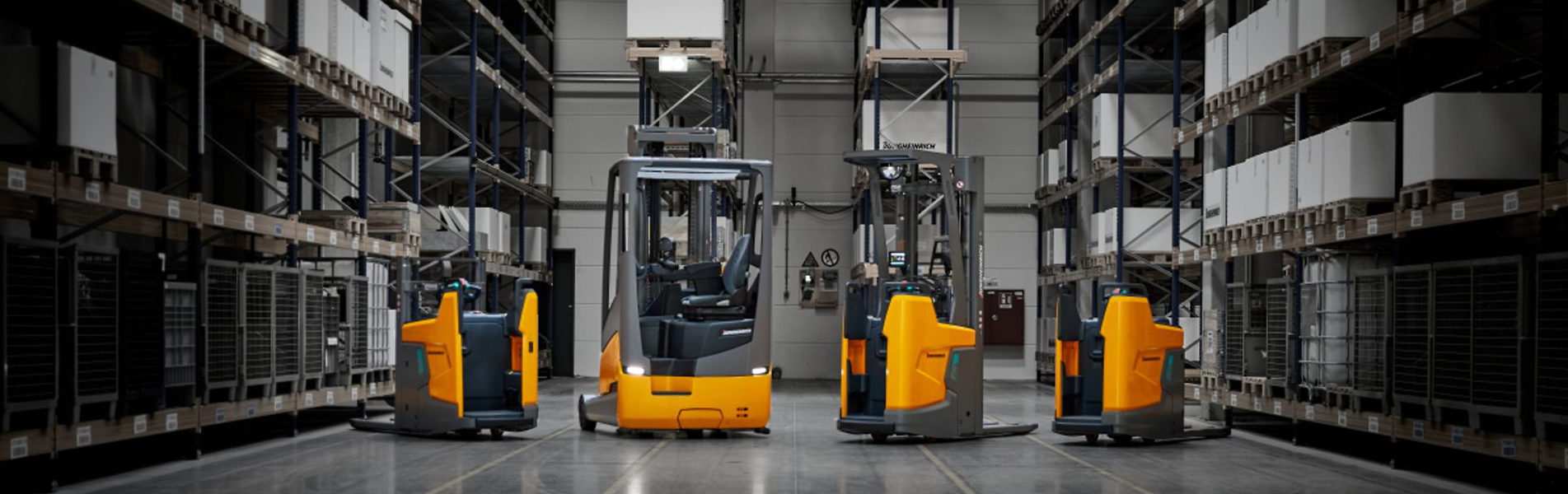
    For decades, heavy-duty diesel forklifts (typically 5+ tons) have been the backbone of industries requiring high power, endurance, and rugged performance—such as ports, construction, mining, and heavy manufacturing. However, with tightening emissions regulations, the rise of electric alternatives, and growing corporate sustainability goals, the future of diesel forklifts is undergoing significant transformation. Will diesel forklifts remain indispensable, or will they be phased out in favor of cleaner technologies? This blog explores the key trends shaping their future. 1. Current Market Position: Where Diesel Forklifts Still Dominate (1) Unmatched Power & Durability High torque & load capacity – Diesel engines excel in 10+ ton applications, such as shipping container handling and steel mills. Long runtime & quick refueling – Unlike electric models, diesel forklifts can operate continuously with just minutes of refueling. (2) Superior Performance in Extreme Conditions Cold weather resilience – Unlike lithium batteries, diesel engines perform reliably in sub-zero temperatures. Rugged terrain adaptability – Ideal for mining, logging, and off-road construction sites. (3) Cost-Effectiveness for Certain Industries Lower upfront cost than equivalent electric or hydrogen models. Established infrastructure – Diesel fuel is widely available, unlike charging or hydrogen stations in remote areas. 2. Challenges Threatening Diesel Forklifts’ Dominance (1) Stricter Global Emissions Regulations EU Stage V, US EPA Tier 4 Final, China Non-Road IV – These standards impose strict NOx and particulate limits, increasing compliance costs. Carbon taxes & urban bans – Some cities restrict diesel equipment in warehouses and logistics hubs. (2) Rising Operational Costs Fuel price volatility – Diesel costs fluctuate more than electricity. Higher maintenance – Complex engines require more servicing than electric drivetrains. (3) Competition from Alternative Technologies Electric forklifts – Improving in heavy-duty applications (e.g., Hyster’s electric top loaders). Hydrogen fuel cells – Offering diesel-like refueling speed with zero emissions (e.g., Toyota’s hydrogen-powered forklifts). 3. The Future of Diesel Forklifts: Adaptation or Decline? (1) Short-Term: Continued Demand in Niche Markets Mining, ports, and heavy industry will still rely on diesel for 10+ ton applications where electric alternatives lag. Emerging markets (Africa, Southeast Asia) may continue using diesel due to lower upfront costs and fuel availability. (2) Medium-Term: Hybrid & Clean Diesel Solutions Hybrid diesel-electric models – Reducing fuel consumption by 20-30% while maintaining power Advanced emissions control – DPF (Diesel Particulate Filters) and SCR (Selective Catalytic Reduction) help meet regulations. Biofuels & synthetic diesel – Lower-carbon alternatives may extend diesel forklifts’ lifespan. (3) Long-Term: Gradual Phase-Out in Favor of Zero-Emission Tech By 2035, regions like the EU may ban new fossil-fueled forklifts, accelerating the shift to electric and hydrogen. Battery & hydrogen cost reductions could make diesel obsolete in medium-duty (5-8 ton) applications. Conclusion: Diesel Forklifts Aren’t Dead—But Their Role Is Changing While heavy-duty diesel forklifts will remain critical in extreme environments and ultra-heavy lifting, their dominance is shrinking due to emissions laws, fuel costs, and competition from electric/hydrogen models. Key Takeaways: ✔ Short-term: Diesel still rules in ports, mining, and cold climates. ✔ Medium-term: Hybrid and clean diesel tech will extend relevance. ✔ Long-term: Electric and hydrogen will dominate, except in ultra-heavy niches. Businesses should: Evaluate TCO (Total Cost of Ownership) before investing in new diesel units. Monitor regulations to avoid stranded assets. Test alternative technologies (e.g., hydrogen or hybrid) where feasible.

Need Help? Chat with us

leave a message
For any request of information or technical support, fill in the form. All fields marked with an asterisk* are required.
Submit
Looking for FAQs?
Contact us #
+86-18302189328

Our hours

Mon 11/21 - Wed 11/23: 9 AM - 8 PM
Thu 11/24: closed - Happy Thanksgiving!
Fri 11/25: 8 AM - 10 PM
Sat 11/26 - Sun 11/27: 10 AM - 9 PM
(all hours are Eastern Time)

home

products

whatsApp

Contact Us