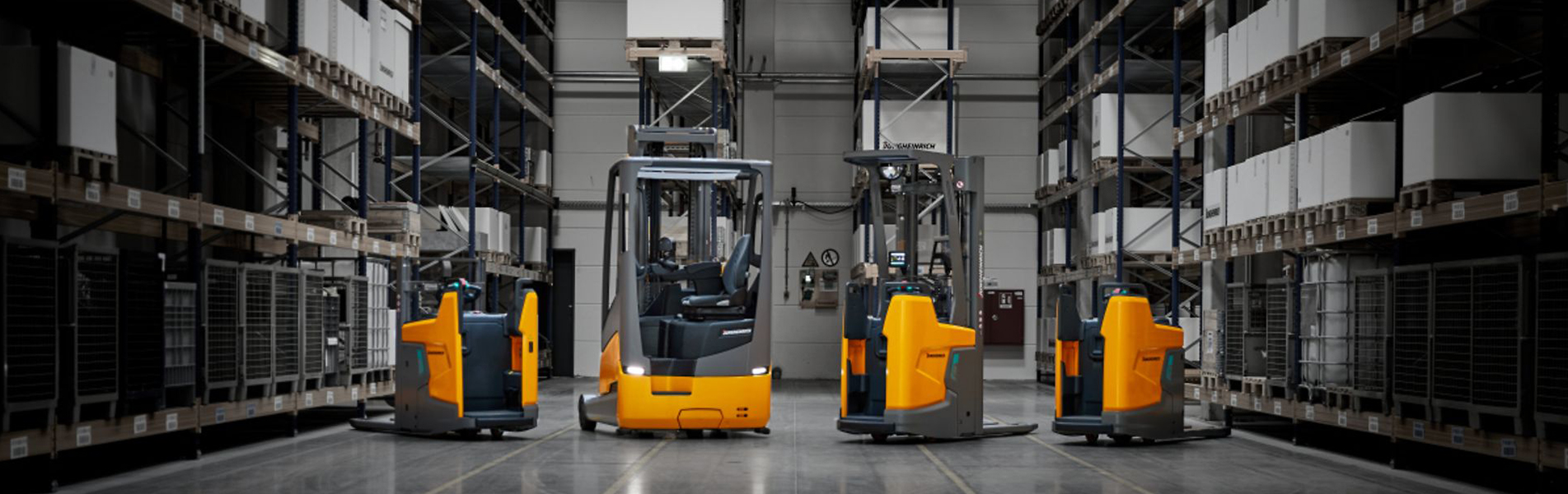
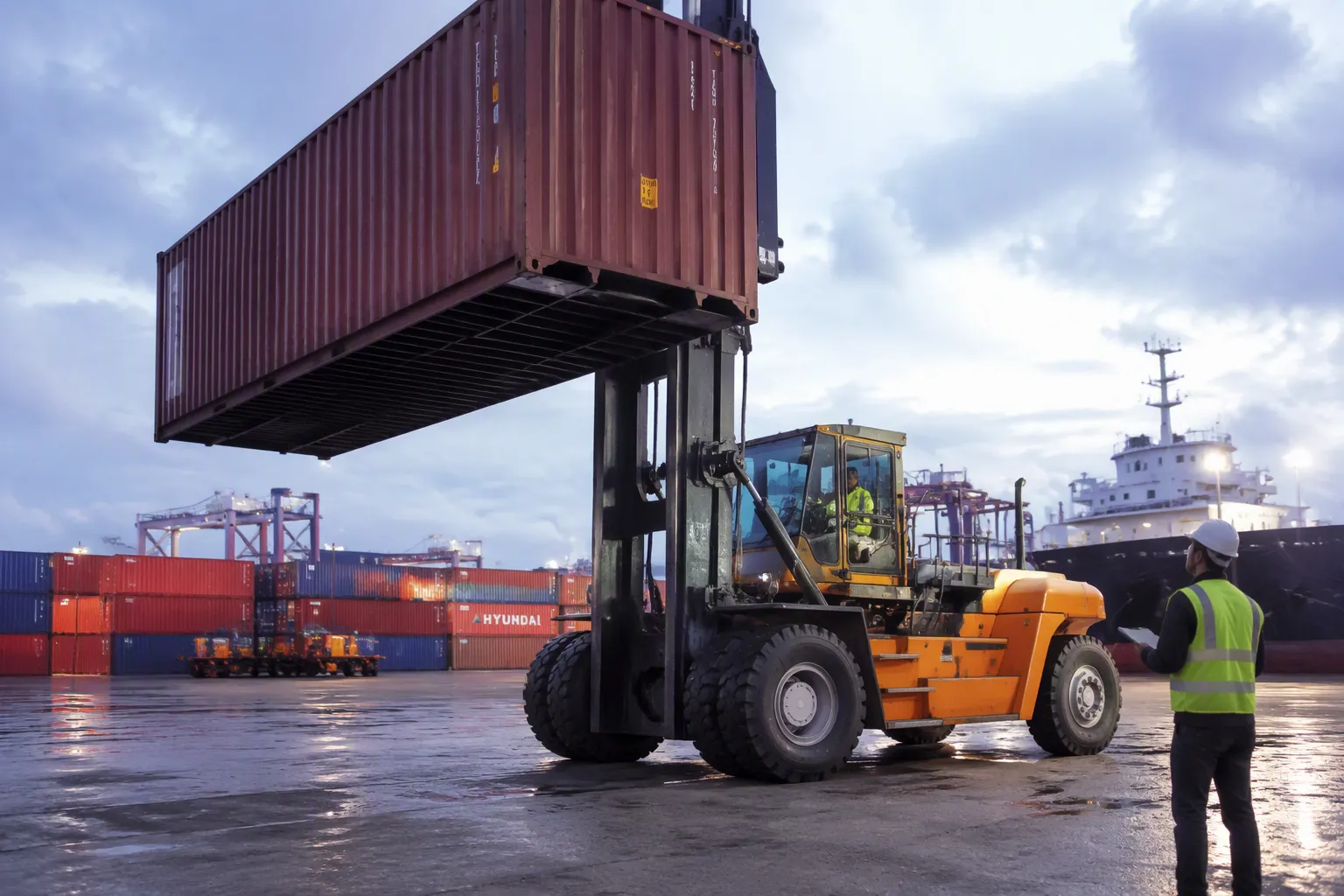
You need three factors for your purchase: maximum load capacity, engine power, and environmental suitability. A mismatched heavy duty diesel forklift causes project delays, equipment damage, and safety incidents. Match the machine to your daily operating requirements. Evaluate load charts, terrain, duty cycle, and service access before you buy.
Assess your daily operations first. Match load capacity, lift height, and terrain to your machine. This prevents delays and accidents.
Evaluate engine power, torque, and transmission. Choose the right tires and mast for your ground. This ensures durability and performance.
Prioritize safety features and dealer support. Consider total cost of ownership. This protects workers and saves money over time.
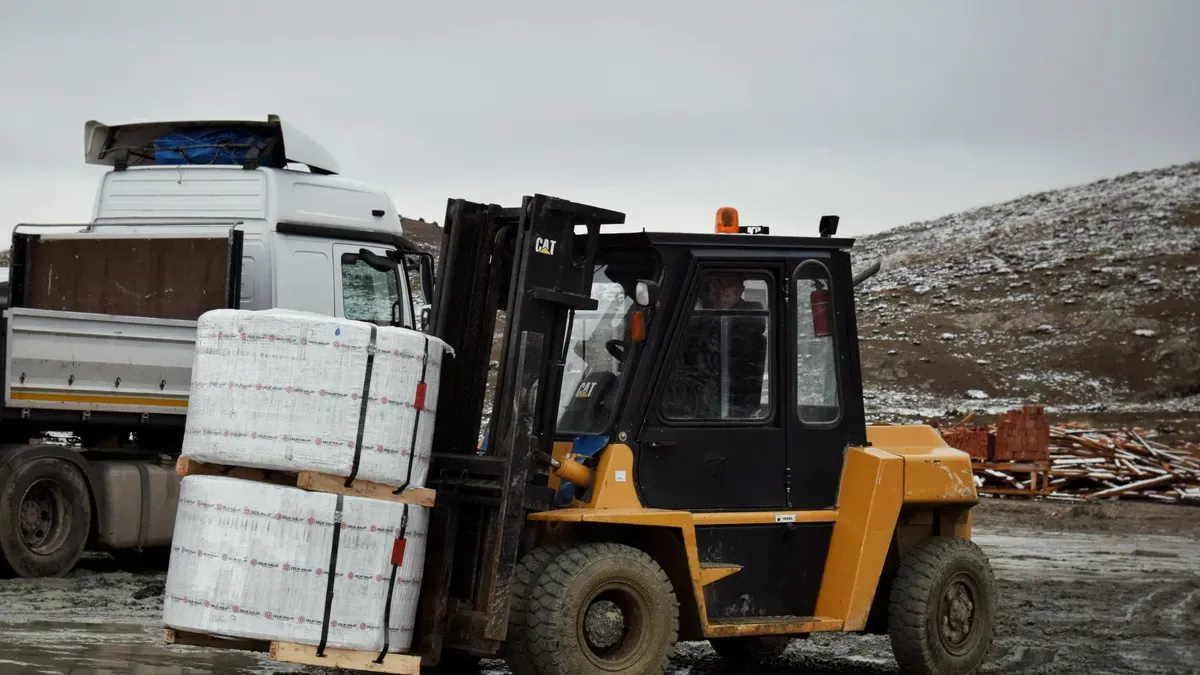
Before comparing models, analyze your daily operations. Over-specifying for a rare load wastes capital. Under-specifying for continuous duty causes breakdowns. Start with three questions: what you lift, how high you stack, and what ground you cover. Each answer narrows the field of suitable machines. A heavy duty diesel forklift earns its cost only when it matches your port’s rhythm.
The data plate rating starts the conversation, but you cannot trust it alone. Verify each rating against the actual work cycle. The load’s weight, dimensions, and center of gravity all affect safe lifting. If the load center moves farther from the mast, effective capacity drops. A 3,000 kg pallet at a 500 mm load center is safe. The same weight at 750 mm requires a higher-capacity machine.
A heavy-duty IC counterbalance forklift's capacity envelope changes with load center distance.
|
Load center condition |
Effect on rated load capacity |
|---|---|
|
Standard rated center, e.g. 500 mm |
Forklift can safely lift its nominal rated load |
|
Longer load / center of gravity farther forward |
Greater leverage increases forward force, so safe lifting capacity decreases |
Stacking height determines the mast and carriage specification. Port operators often choose between a standard lift truck and a reach stacker. A reach stacker stacks up to five high and reaches into the second row. A standard forklift works faster in the first row but cannot access the second. For narrow aisles, a dedicated laden container handler offers a smaller footprint. These machines handle standard loaded containers that weigh up to 67,000 lbs.
Ground conditions dictate your tire choice and axle design. On dirt, gravel, and asphalt, pneumatic tires provide the best traction. Cushion tires work only on smooth indoor surfaces. Uneven terrain demands an oscillating steer axle. A differential lock helps in soft spots. Wet disc brakes survive mud where dry drum brakes fail. Tire wear also depends on the surface. Your heavy duty diesel forklift may wear a set of tires in 2,000–3,000 hours on abrasive ground.
|
Surface condition |
Recommended tire / equipment |
|---|---|
|
Dirt, gravel, asphalt (outdoor) |
Pneumatic tire models |
|
Smooth indoor surfaces (manufacturing/steel plant) |
Large capacity cushion tire forklift |
|
Uneven terrain / outdoor work |
Pneumatic models built for rough ground |
|
Smooth indoor surfaces (warehouses) |
Cushion models designed for smooth floors |
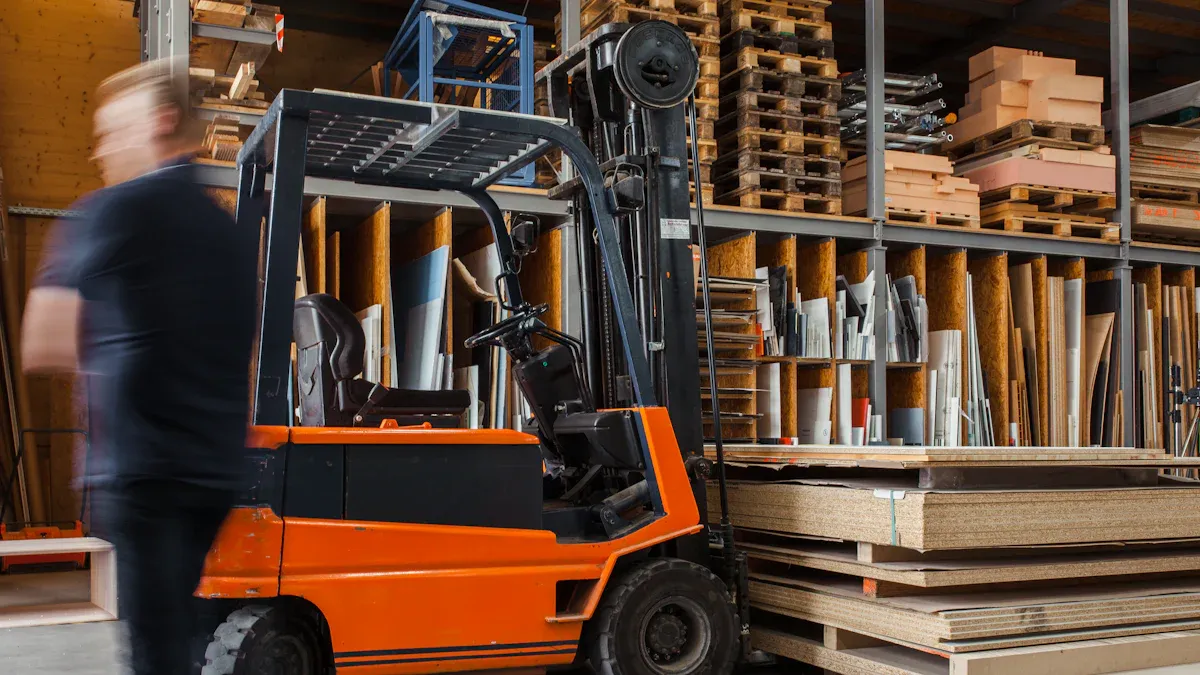
Power alone does not guarantee performance. You need the right combination of engine output, drivetrain configuration, and structural design. Each component affects how your heavy duty diesel forklift performs in daily port and mine operations. This section breaks down the critical specifications you must evaluate before making a purchase decision.
Engine power determines how fast your forklift moves. Torque determines how much it can push, pull, and climb. You need both for port and mine work. A machine with high horsepower but low torque struggles under heavy loads. A machine with high torque but low horsepower moves slowly during transport cycles.
For forklifts above 15,000 kg capacity, you should expect engine ratings in a specific range. The CPCD160, a 16-ton model, produces 112 kW (150 hp) at 2,200 rpm and delivers 655 N·m of peak torque at 1,500 rpm. Larger models like the Toyota THD4500-48 generate 260 hp and 728 ft-lb of torque. These ratings support continuous container handling and heavy ore transport.
|
Model |
Engine Power |
Peak Torque |
|---|---|---|
|
CPCD160 (16-ton) |
112 kW (150 hp) @ 2,200 rpm |
655 N·m @ 1,500 rpm |
|
Toyota THD4500-48 |
260 hp |
728 ft-lb |
Torque at low rpm matters most in mine operations. You need instant pulling force to climb grades with a full load. Diesel engines deliver peak torque at low rpm, which suits this demand. Check the torque curve before you buy. A flat torque curve provides consistent power across the operating range.
The transmission transfers engine power to the wheels. You have two main options: powershift and hydrostatic. Powershift transmissions dominate heavy port equipment. They handle high torque loads and allow smooth direction changes under full load. Hydrostatic transmissions work better in smaller machines with frequent stop-start cycles.
Loaded container handlers rely on robust powershift designs. The Taylor XLC-976 uses a Dana TE-32 powershift transmission with 4 speeds. Empty container handlers like the Taylor XEC-207/8 and XEC-150LE use the Dana TC-32 powershift with 3 speeds. The Toyota THD8000-L6 loaded container handler pairs a Dana model 36000 transmission with 3 forward and 3 reverse speeds. These configurations handle the repetitive cycles of port container handling.
|
Equipment Model |
Transmission |
Speeds |
|---|---|---|
|
Taylor XLC-976 loaded container handler |
Dana TE-32 powershift |
4-speed |
|
Taylor XEC-207/8 empty container handler |
Dana TC-32 powershift |
3-speed |
|
Taylor XEC-150LE empty container handler |
Dana TC-32 powershift |
3-speed |
Drive configuration affects traction on unpaved surfaces. A 4WD system distributes drive force across more than one axle. This helps your forklift maintain grip on loose and uneven ground. The benefit depends on proper tire selection, differential behavior, and operator control. A 4WD system cannot fully compensate for tires that are poorly matched to mud, gravel, or rock.
|
Configuration |
Traction and Gradeability |
Differential Behavior |
Operational Impact |
|---|---|---|---|
|
2WD |
Limited traction on slopes above about 15–20%; lower cost and lighter weight |
Typically less capable in severe slip conditions |
More likely to get stuck on loose, wet, or uneven ground |
|
4WD |
Superior traction on all surfaces; gradeability up to about 50%; works in mud, snow, and soft sand |
Many models use differential locks to send power to all wheels even when one wheel slips |
In a field study of 180 rough terrain forklift operations, 4WD models had 72% fewer stuck incidents than 2WD models; each stuck incident averaged 45 minutes of recovery time |
A field study of 180 rough terrain forklift operations in construction applications found that 4WD models experienced 72% fewer "stuck" incidents than 2WD models under the same operating conditions. Each stuck incident required an average of 45 minutes of recovery time, involving other equipment and site personnel. For sites with significant rainfall or unpredictable ground conditions, the 4WD premium is recovered within 6–12 months through reduced downtime.
Tire selection depends on your operating surface. Pneumatic tires provide traction on dirt, gravel, and asphalt. Cushion tires work only on smooth indoor surfaces. For mine operations with rocky terrain, you need tires with deep treads and reinforced sidewalls. Tire wear accelerates on abrasive ground. You may replace a set every 2,000–3,000 hours in harsh conditions.
Mast design affects both visibility and load handling. A wide-view mast improves operator control when you handle large loads. The carriage is built with a wide opening to improve forward visibility of the fork tips at ground level and at common loading heights. An open carriage design, combined with mast chains mounted outside the mast, a low cowl, and increased spacing between mast channels and the valve block, enhances the forward view of fork tips both while traveling and while lifting loads.
Wide View Mast | You handle large loads and need visibility | Improves operator control
A low-profile carriage provides a clear line of vision for an optimized view of the fork tips. Forward visibility is kept uncluttered by the placement of hydraulic valves, hoses, and mast crossmembers. This allows a clear view through the mast window. Canted hoses are arranged along the line of sight so the operator sees only one hose, maintaining good visibility.
Service access determines how quickly your team completes routine maintenance. A heavy duty diesel forklift with poor access points spends more time in the shop. You need easy access to filters, fluid checkpoints, and engine components.
The engine has a low-ground-level hood that swings out easily for filter replacement and oil change. High-capacity radiators are designed with effective airflow channels to stay active longer without servicing. The onboard monitoring system reduces the chances of downtime and produces proactive servicing notifications.
Maintenance intervals vary by environment. High-dust conditions require shorter intervals. You should reduce preventive maintenance intervals by 20–30% below OEM baselines in severe operating environments. In extreme heat above 180°F, monitor hydraulic fluid more frequently and use higher-grade lubricants to prevent seal breakdown. Poor haul roads demand increased undercarriage and suspension inspections.
Follow this maintenance schedule for your heavy duty diesel forklift:
Daily operator checks (every shift): Fluid levels, tire pressure, visual leak inspection, warning lights, unusual sounds.
Weekly inspections (7 days): Detailed visual inspection, lubrication of grease points, belt and hose condition, filter checks.
Monthly servicing (30 days / 250 hours): Engine oil change, filter replacements, hydraulic system inspection, brake checks.
Quarterly major inspections (90 days / 1,000 hours): Transmission service, hydraulic filter replacement, undercarriage inspection, electrical system testing.
Annual overhauls (annually / 2,000+ hours): Component rebuilds, major system overhauls, structural inspections, compliance certifications.
For high-dust conditions, shorten oil analysis intervals from 500 hours to 250 hours to catch contamination early.
You can also follow this detailed maintenance sequence:
Daily: Perform visual inspection before each shift — check for oil leaks, loose bolts, damaged hoses, worn components; verify engine oil level, coolant level, fuel level, tire condition, mast components (forks, chains), and dashboard warning lights and gauges.
Weekly: Clean and lubricate key moving components; check air filter (may need frequent cleaning or replacement in dusty environments); inspect hydraulic hoses and fittings for leaks and wear; lubricate mast channels and rollers; check battery condition and drive belts.
Monthly: Detailed inspection of mechanical systems — check engine oil condition, hydraulic fluid levels, brake system, steering system, and forks for cracks or deformation.
Quarterly (250–500 operating hours): Replace engine oil and oil filter; inspect or replace fuel filters and water separators; check transmission fluid and cooling system; test safety systems (alarms, lights, backup signals).
Semi-Annual (1,000 operating hours): Replace fuel filters; replace air filters if heavily contaminated; inspect hydraulic pumps, cylinders, and valves; check wheel bearings, axles, and drive components; test service and parking brakes.
Annual: Complete engine inspection (compression, injectors, fuel system); replace hydraulic oil as recommended; thoroughly inspect mast chains, rollers, and lift cylinders; service transmission; schedule professional safety inspection.
Ports and mines rank among the most dangerous workplaces for forklift operations. The UK Health and Safety Executive reports that lift trucks cause roughly 25% of workplace transport accidents. Vehicle overturns account for about 20% of workplace transport deaths. In 2024, U.S. OSHA recorded 84 worker deaths in forklift incidents. These numbers demand serious attention to safety features.
You need visibility systems, lighting packages, and proximity warnings on every heavy duty diesel forklift. LED headlights, brake lights, strobe lights, and rear spotlights maintain visibility during long shifts. Camera systems help operators see around large loads. Physical barriers like guardrails and bollards separate pedestrians from travel paths. Automated speed limiters enforce zone-specific rules. Require high-visibility vests in all active forklift zones.
Emissions regulations affect your purchasing options. Diesel engines in material handling equipment now meet EPA Tier 4 Final and EU Stage V standards. Manufacturers like Cummins, Deutz, and Yanmar certify their engines to these levels. Specify the full compliance package in your RFQ. Include EPA Tier 4 Final, ANSI/ITSDF B56.1, and ISO 3471 ROPS for North America. For EU operations, require CE, EN ISO 3691-1, and EU Stage V documentation. This step avoids costly post-shipment certification rework.
Initial purchase price represents only 20–30% of lifetime costs over 5–10 years. Maintenance, repair, and fuel consume over 60%. Dealer proximity and parts availability directly affect your total cost of ownership. A broad dealer network with 24/7 support and certified technicians reduces repair response time in remote areas. Rich parts inventory shortens replacement-part wait times. Evaluate dealer support quality alongside the machine specification. Consolidating orders at 3–5 units can access pricing 10–20% below single-unit rates.
Load capacity, environmental suitability, and durability form the foundation of your purchase decision. Test the heavy duty diesel forklift in your actual port or mine environment to verify load charts and maneuverability. Prioritize serviceability and safety features that protect operators and nearby workers. Use a final checklist: maximum load, lift height, terrain, engine power, tire type, safety package, and lifecycle costs.
Check the load chart at every lift height and load center. You must test the machine with your heaviest actual load. Never rely on the data plate alone.
Shorten the OEM intervals by 20–30 percent. You should change oil analysis at 250 hours. Inspect air filters, tires, and brakes daily. Perform monthly hydraulic checks.
Require LED lights, cameras, proximity alarms, and speed limiters. You also need an ROPS cab certified to ISO 3471. Test visibility before you buy.
Zon-Cho Huge location near you