Battery runtime is the first question buyers ask before replacing diesel with electric in heavy-duty operations. On a 10–50 ton truck, shift length is never decided by the battery alone — load weight, lift height, travel distance and duty cycle all pull energy out of the pack. A 20-ton unit handling steel coils at full lift drains far faster than the same truck moving lighter pallets inside one bay.
Sizing comes first. Large lead-acid packs often deliver six to eight hours of continuous work in medium duty, while modern lithium packs hold voltage longer and support a lithium battery forklift charging strategy built on short top-ups instead of one long overnight charge. That is why opportunity charging for electric forklifts has become standard in two- and three-shift logistics: operators plug in during breaks and shift changes and keep the pack between 30% and 80%. Fleets that run this way usually pair a heavy duty forklift with lithium battery with a heavy duty electric multi-directional forklift when loads are long or unusually bulky.
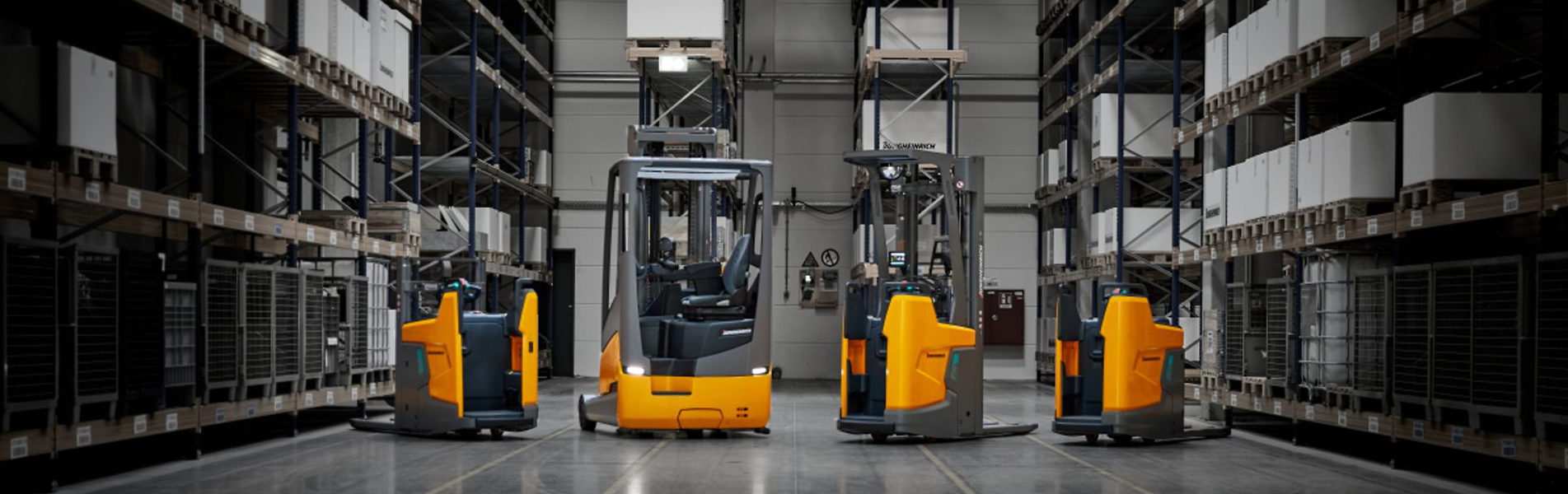
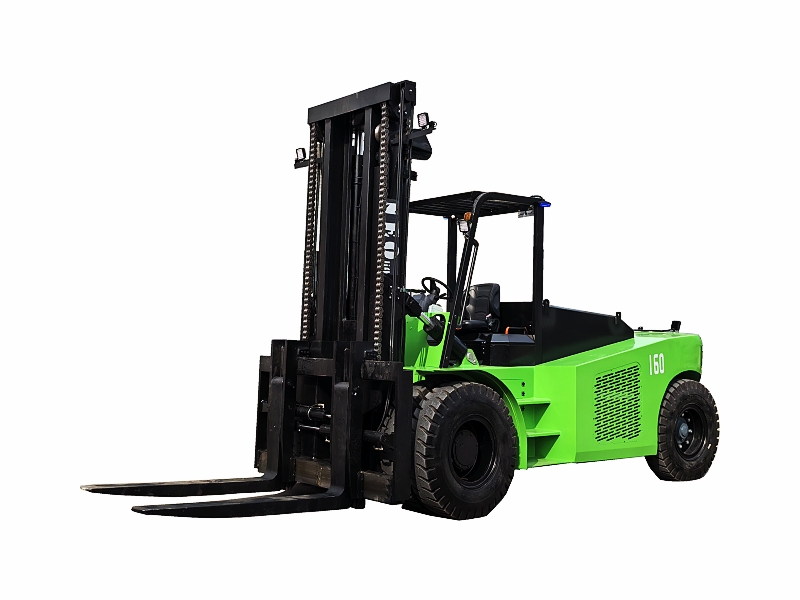
Before you compare quotes, ask the supplier to size the pack against your real duty cycle. Getting heavy-duty electric forklift battery runtime right usually means matching the right 20-ton electric forklift battery capacity to lift height and travel distance rather than trusting a catalogue average. In practice that means comparing a 15 Ton Heavy-duty Electric Forklift Truck with electric counterbalance forklifts for heavy-duty lifting, or stepping up to an Electric multi-directional forklift for long material when the load is longer than the forks. At NEO FORKLIFT we size every pack — counterbalance, multi-directional, VNA, tow tractor or custom warehouse truck — around multi-shift forklift battery planning, so runtime matches your roster, not the other way round.
Send us your shift pattern and load data, and our engineers will recommend the voltage, capacity and charging window that keeps your fleet moving.
FAQ
Q: How many hours can a heavy-duty electric forklift run on one charge?A: Medium-duty 10–50 ton trucks typically deliver 6–8 hours per charge; continuous heavy lifting can reduce this to 4–5 hours, which is why break-time charging matters.
Q: Is lithium or lead-acid better for multi-shift work?A: Lithium tolerates opportunity charging and needs no watering or battery changes; lead-acid suits single-shift duty with a strict charging schedule.
Q: Can I keep using my existing charger?A: Only if voltage, current and connector match the new pack — mismatched chargers shorten battery life.
Q: Does cold storage reduce battery runtime?A: Yes. Below freezing, usable capacity can drop noticeably, so specify cold-store rated packs when needed.
Q: How do I know which capacity to order?A: Share your load weight, lift height and daily operating hours; our team sizes the pack to that profile.